On April 22, OpenAI launched Workspace Agents, a successor to Custom GPTs that plugs directly into enterprise tools like Slack, Salesforce, and other SaaS platforms. The announcement did not get the same attention as a new model release, but it may be more consequential for how AI gets deployed inside companies. The immediate pitch is familiar: build an agent that can read your Slack messages, query your Salesforce records, and draft responses without leaving the apps you already use. But the real story is not the agents themselves. It is the platform layer OpenAI is building underneath them.
From Chatbot to Infrastructure
Custom GPTs were a consumer toy. Useful for prototyping, good for demos, but fundamentally limited to the ChatGPT interface. Workspace Agents are different. They live inside the tools where work actually happens. An agent that can draft a Slack reply is nice. An agent that can read a Salesforce opportunity, check the relevant Slack thread, draft an email to the client, and schedule a follow-up is something else entirely.
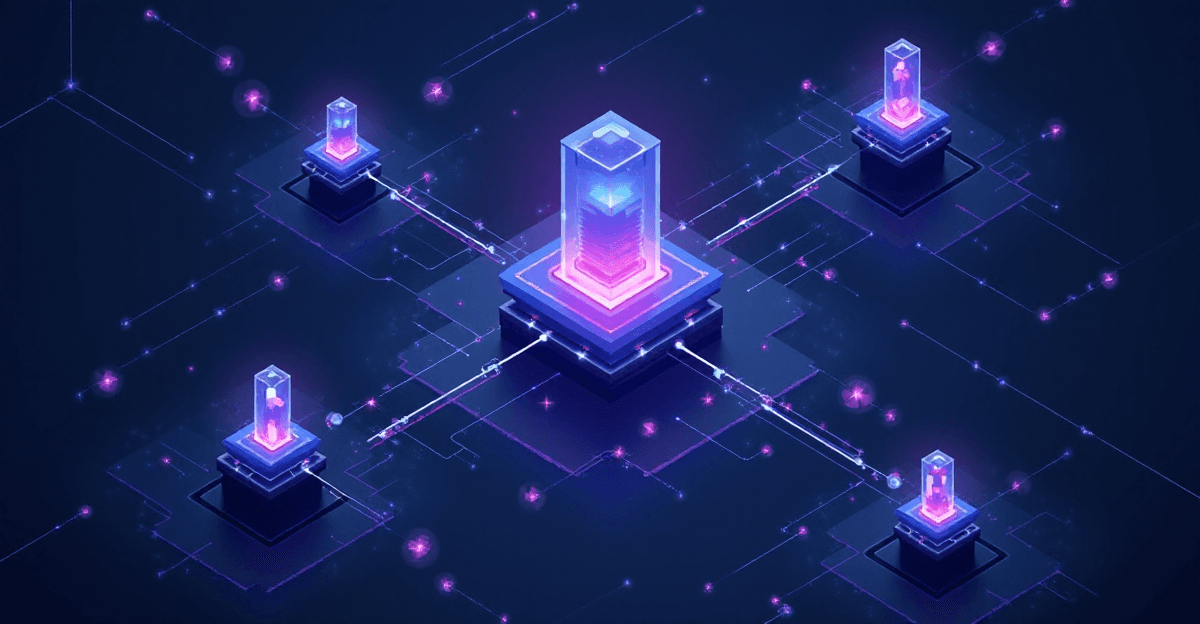
This shift from chatbot to infrastructure is the core of OpenAI's enterprise strategy. The company is no longer trying to replace your tools with ChatGPT. It is trying to make ChatGPT the connective tissue between them. Every SaaS app that does not build its own agent infrastructure is about to become a host for OpenAI's.
The implications for the SaaS ecosystem are significant. Companies like Salesforce have spent years building their own AI layers. Einstein GPT was supposed to be the AI brain inside every Salesforce instance. Now OpenAI is offering a competing layer that works across platforms, not just inside one. The question for enterprise buyers is not whether to adopt AI agents. It is whether to adopt Salesforce's agent, OpenAI's agent, or both and deal with the integration headache.